
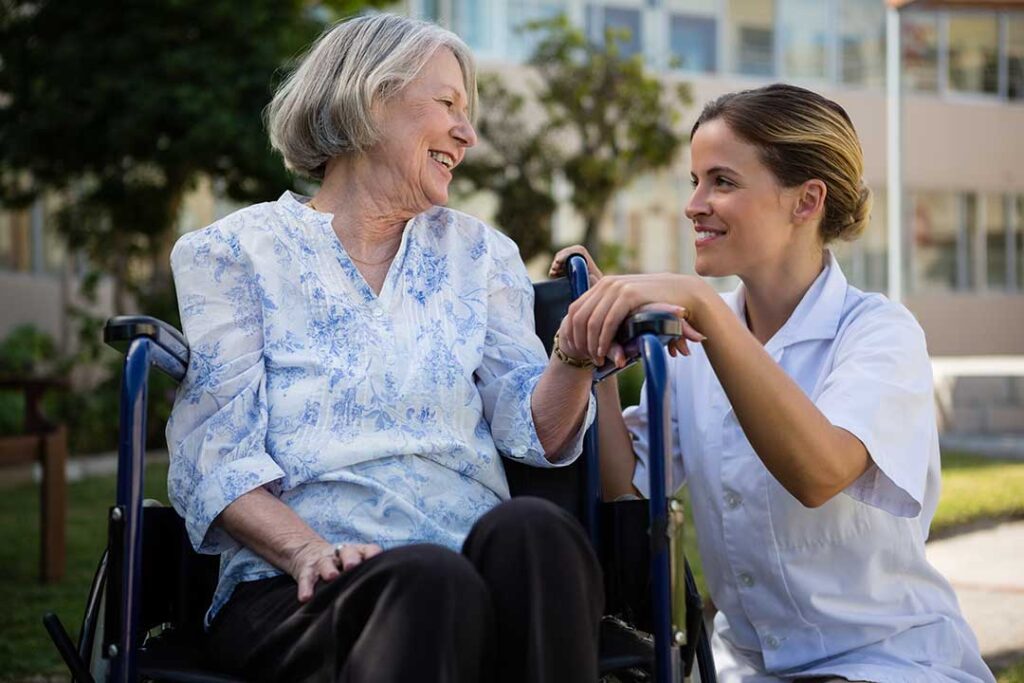
How Does Assisted Living Address Senior Isolation?
Assisted living communities provide older adults with daily opportunities for interaction, which significantly lowers the chances of social isolation. In Wellsboro, PA—where residential areas can be spread out and winters are long—these settings help seniors build routine social connections and support systems, improving quality of life.
Living alone, especially after the loss of a partner or with limited mobility, can make it hard to maintain relationships. Assisted living centers arrange shared dining, activities, and interest groups in a safe and accessible setting, so residents feel less alone and more engaged in daily life.
Why Is Isolation a Risk for Seniors in the Area?
Isolation among older adults often happens gradually and is influenced by several local factors:
- Rural and spacious housing means neighbors are not always close by.
- Winter weather and icy walkways discourage outings and can make roads hazardous, leading people to stay inside for weeks.
- Limited public transit and long distances to town make it difficult for non-drivers to visit friends or participate in events.
- Family members may live out of town or out of state, leaving seniors with less frequent contact.
Prolonged periods without social contact can lead to depression, cognitive decline, and worsening health, highlighting why practical community contacts are so valuable.
What Everyday Social Opportunities Exist in Assisted Living?
Assisted living communities are structured to offer daily, informal opportunities to connect with others. Key examples include:
- Communal dining rooms with scheduled mealtimes, encouraging people to eat together instead of alone.
- Games, discussion groups, art classes, and light exercise sessions led by on-site staff.
- Group outings to cultural events or local parks when weather allows, arranged with each resident’s needs in mind.
- Common lounge areas where residents can read, chat, or play cards according to their mood.
Unlike potentially awkward social events, these gatherings are built into the daily rhythm—so everyone, regardless of personality type, gets a chance for regular interaction.
Are Connections in Assisted Living Meaningful or Superficial?
While some may worry these settings only offer shallow conversations, most assisted living residents gradually form genuine bonds. The consistency of seeing familiar faces fosters deeper understanding and trust over time, helping friendships develop naturally.
Staff members also play a unique role; many take time to learn residents’ stories, preferences, and health concerns. For those with mobility challenges or mild memory problems, this encouragement can make the difference between isolation and feeling part of a caring group.
How Do Seasonal and Geographical Factors Matter?
Local climate and geography have a real impact on isolation for older adults in Wellsboro. Icy winters and hilly terrain often mean sidewalks go unused, and impassable driveways can keep even active seniors homebound. Assisted living communities address this by:
- Clearing walkways and managing indoor temperatures so residents can move around safely.
- Scheduling additional indoor events during months when outdoor travel is unwise.
- Coordinating transportation for those who need to attend personal appointments or family gatherings.
This means seasonal loneliness is less likely—even during particularly harsh winters or rainy spells.
What Do Families and Residents Most Commonly Overlook?
A common misconception is that assisted living residents lose their independence or must participate in activities against their will. In practice, people choose how to spend their time, including whether they want quiet time alone or to join a group event.

Another overlooked point is that many new residents worry they won’t “fit in.” Most discover quickly that there are others with similar memories, hobbies, or life experiences, making it easier to relate and build connections.
Lastly, families sometimes underestimate the steady impact of minor, daily interactions—such as a friendly greeting in the hallway—which may seem insignificant but accumulate into a powerful source of belonging and purpose.
What If a Resident Is Introverted or Struggles With New Groups?
Not every senior thrives on group activities. Assisted living communities typically recognize individual needs:
- Residents can opt in or out of gatherings, choosing activities that suit their preferences.
- Staff members often help by introducing newcomers gradually, providing reassurance and understanding.
- Quiet spaces are available for those who prefer smaller, more intimate social settings or solo hobbies.
Regular check-ins by staff ensure those who are more private don’t fall through the cracks, supporting all personalities.
How Can Residents Maintain Outside Friendships and Community Ties?
Physical move-ins do not require giving up previous connections. Area households often find that visiting policies in assisted living settings are flexible, so friends and family can drop by or join for meals. With Wi-Fi and communal devices, residents can stay in touch with loved ones through calls or video chats—even in winter when travel is tricky.
Additionally, local faith groups, hobby clubs, and veterans’ organizations often visit or host on-site meetings, helping seniors keep networks outside their immediate residence.
What Are the Practical Benefits for Everyday Life?
The routines and built-in companionship present in assisted living communities alleviate not just loneliness but many practical worries for older adults:
- Access to emotional support during health setbacks or bad weather
- Reassurance that help is available nearby, reducing anxiety for both residents and distant family
- Participation in group exercise or walking clubs, which keeps physical health and mobility from declining due to inactivity
For many, these small yet significant interactions add up to a life that feels much less isolated—supporting both physical and mental well-being in ways that can be hard to maintain at home, especially as local conditions or health needs change.
