
What games and pastimes are popular in assisted living?
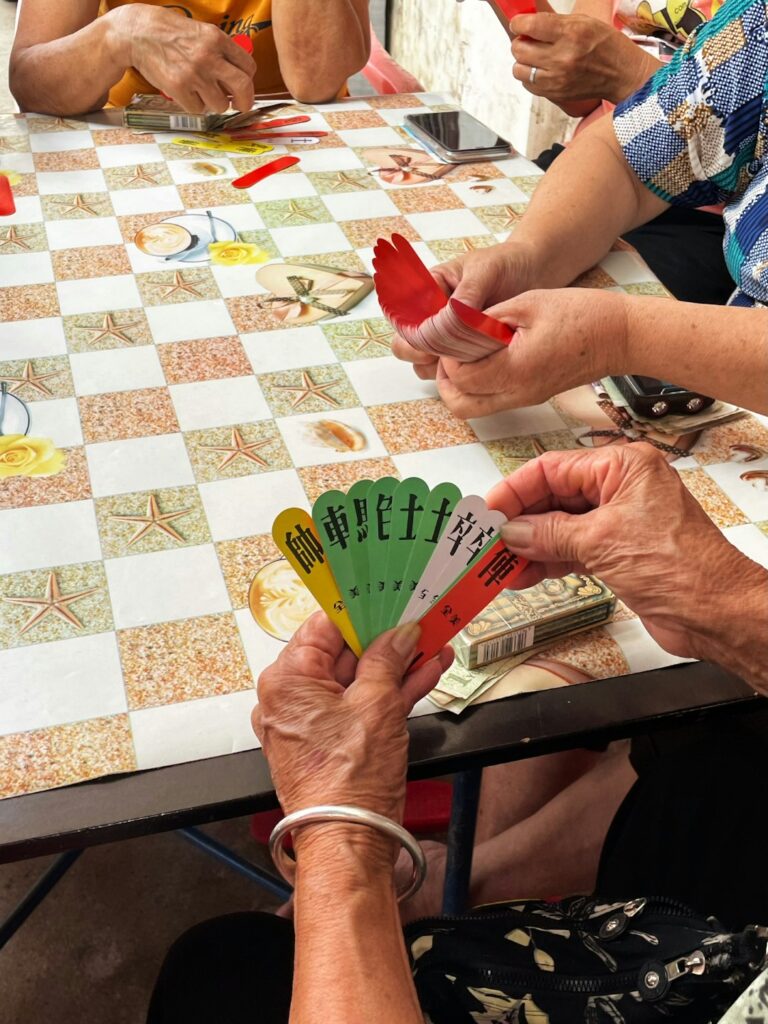
Residents in assisted living often enjoy activities that provide companionship, mental stimulation, gentle movement, creativity, or a familiar connection to earlier parts of life. Favorites may include cards, board games, puzzles, music, crafts, reading, gardening, storytelling, and seasonal activities.
The most successful pastimes are not necessarily the newest or most complicated. They are activities that match residents’ abilities, interests, energy levels, and comfort with group participation. A quiet puzzle may suit one person, while another may prefer a lively card game or sing-along.
In Wellsboro, PA, seasonal changes can also shape activity choices. Cold weather, snow, and shorter winter days may make indoor games and creative projects especially appealing. During milder weather, residents may enjoy time outdoors, simple gardening, porch conversations, or supervised walks.
Which card and board games work well for older adults?
Card and board games can encourage conversation while offering manageable mental challenges. Games with clear rules, large print, and pieces that are easy to handle are often more comfortable for residents with vision changes, arthritis, or memory loss.
Common choices include:
- Large-print playing cards
- Rummy, matching games, and simple solitaire
- Bingo with large, easy-to-read numbers
- Checkers, dominoes, and oversized tile games
- Scrabble-style word games with larger letters
- Familiar board games adapted for shorter play periods
- Trivia games based on music, history, television, or local memories
A game does not have to be played exactly as it was in the past. Rules can be simplified, turns can be shortened, and another person can help organize pieces. The goal is shared enjoyment rather than competition.
Residents who become frustrated by losing may prefer cooperative games, trivia played as a group, or activities where everyone contributes to a common result. Staff and family members can also watch for fatigue and pause the game before it becomes stressful.
Are puzzles and memory activities helpful?
Puzzles can be useful for concentration, visual attention, hand coordination, and relaxation. They also offer a flexible activity because residents can work alone, with a partner, or as part of a group.
Good options include:
- Large-piece jigsaw puzzles
- Word searches with larger lettering
- Crosswords at different difficulty levels
- Picture-matching activities
- Sorting buttons, cards, or colored objects
- Familiar-song or “finish the phrase” activities
- Reminiscence prompts using old photographs or everyday objects
Memory activities should not feel like a test. Some residents may have strong long-term memories but difficulty recalling recent information. A conversation about childhood holidays, former jobs, favorite recipes, or family traditions can be more enjoyable than an exercise focused on getting every answer right.
For residents living with dementia, familiar and repetitive activities may be more comfortable than complicated puzzles. A simple matching game, folding towels, sorting items, or listening to well-known music can provide structure without creating pressure.
What creative pastimes can residents enjoy?
Creative activities support self-expression and can be adapted for different physical and cognitive abilities. Artistic skill is not required. The process of choosing colors, handling materials, and sharing conversation may be more valuable than the finished project.
Suitable activities may include:
- Watercolor painting or large-brush painting
- Seasonal decorations
- Collage-making with safe, lightweight materials
- Knitting, crocheting, or simple yarn projects
- Adult coloring pages
- Greeting cards and handwritten notes
- Flower arranging or indoor plant care
- Baking demonstrations or no-cook recipe activities
Materials should be selected with safety and ease of use in mind. Scissors may need rounded tips, containers should be stable, and supplies should be large enough to see and handle comfortably. Residents with tremors or limited hand strength may benefit from thicker handles, lightweight tools, or projects that can be completed in short sessions.
Indoor plant care can be particularly satisfying during the colder months. Residents may enjoy watering, removing dry leaves, arranging cut flowers, or observing changes in a small seasonal display.
How do music and storytelling fit into daily activities?
Music is often meaningful because it connects with memories, identity, and emotion. Residents may enjoy listening to familiar songs, singing in a group, tapping along with a rhythm, or discussing performers and dances from earlier years.
Music activities can include:
- Sing-alongs using large-print lyric sheets
- Listening sessions organized by decade or theme
- Simple percussion instruments
- Musical trivia
- Dancing while seated
- Sharing songs associated with holidays, work, school, or family life

Storytelling can be just as engaging. A conversation about winter traditions, first jobs, school memories, or favorite foods may help residents learn more about one another. In a community with changing seasons, discussions about snow days, gardening, county fairs, harvests, and summer outings may feel especially familiar.
Not every resident will want to speak in a group. Listening, looking at photographs, or contributing a brief comment are all valid forms of participation.
What pastimes provide gentle physical activity?
Movement-based activities can support balance, coordination, flexibility, and mood when they are appropriate for the resident’s abilities. Gentle activity should be comfortable and should follow any individual mobility guidance.
Examples include:
- Seated stretching
- Chair exercises
- Balloon or scarf-toss games
- Indoor walking groups
- Simple dance movements
- Beanbag toss
- Tabletop gardening
- Light bowling with soft equipment
Activities should allow residents to participate while seated if standing is tiring or unsafe. Clear walkways, suitable footwear, stable chairs, good lighting, and enough space between participants are practical considerations.
Outdoor activities may be pleasant during comfortable weather, but changing temperatures, wet surfaces, ice, and uneven ground require extra attention. Indoor alternatives should be available so residents are not excluded when conditions are uncomfortable.
How can families choose meaningful activities?
Families can help by asking about preferences rather than assuming that every older adult enjoys the same games. Useful questions include:
- What games did the resident enjoy earlier in life?
- Does the resident prefer groups or quiet one-to-one activities?
- Are reading glasses, hearing support, or larger materials needed?
- Does the resident enjoy winning, or would a cooperative activity be better?
- What topics, music, hobbies, or household tasks feel familiar?
- Does the resident tire quickly or need frequent breaks?
A former teacher might enjoy word games. Someone who worked with tools may prefer sorting, building, or hands-on projects. A lifelong gardener may appreciate plants even if outdoor gardening is no longer practical. Personal history often provides better clues than age alone.
The best activity calendar includes variety: social games, quiet hobbies, creative work, music, movement, and unstructured time. Residents should be free to watch, leave early, try something once, or choose a different pastime. Participation is more meaningful when it remains an invitation rather than an obligation.
What makes an assisted living activity successful?
A successful activity is accessible, respectful, and enjoyable for the people taking part. It should have simple instructions, appropriate materials, enough time, and a comfortable setting. Activities work best when residents are treated as adults with individual interests rather than placed into a single category based only on age or diagnosis.
Small adjustments can make a major difference. Large-print cards, brighter lighting, quieter spaces, shorter rounds, non-slip materials, and familiar themes may help more residents participate. The most valuable result may be a conversation, a laugh, a remembered song, or the feeling of being included.
